Small Kitchen Update Ideas with Thrifted Finds
Elevate your compact space with our curated guide to a small kitchen update with thrifted finds. Discover sophisticated styling tips and vintage layouts.
Small Kitchen Update Ideas with Thrifted Finds
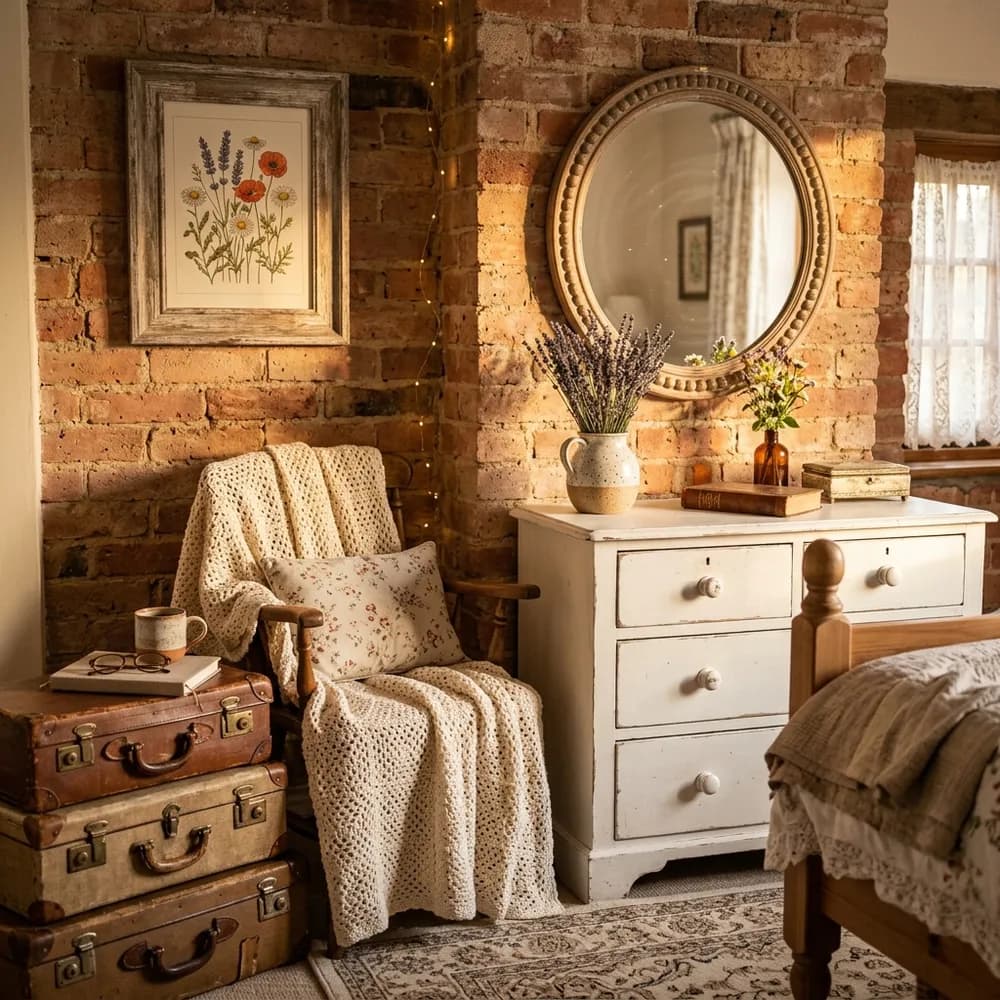
There is an undeniable magic in a kitchen that feels collected over time rather than ordered from a catalog. In compact homes, where every square inch must perform double duty, mass-produced solutions can often feel sterile and devoid of personality. Embracing a small kitchen update with thrifted finds is not merely a budget-friendly alternative to a costly remodel; it is a sophisticated design philosophy. By integrating vintage, antique, and second-hand pieces, you introduce layers of texture, history, and warmth that instantly elevate the heart of your home.
In this comprehensive guide, we will explore how to thoughtfully curate, restore, and style thrifted treasures to transform your small kitchen into a high-end, character-rich culinary sanctuary.
The Art of the Curated Culinary Space
When designing a small kitchen, the temptation is often to minimize, conceal, and streamline. While functional layout planning is crucial, stripping a small space of all decorative details can leave it feeling cold. The most successful small kitchens balance clean, modern lines with soulful, historic accents.
By prioritizing a small kitchen update with thrifted finds, you create a beautiful juxtaposition between old and new. A sleek, modern induction cooktop looks infinitely more intentional when paired with a collection of 19th-century copper pots hanging from a heavy brass rail. Similarly, modern flat-panel cabinets are instantly elevated by the addition of mismatched, hand-turned timber stools sourced from a local antique market.
Unifying the Space: A Vintage-Inspired Color Palette
Before embarking on your thrifting journeys, establishing a cohesive color palette is essential. Without a clear color story, a collection of second-hand finds can quickly devolve into visual clutter. For a small kitchen, we recommend a palette that reflects natural materials and historic pigments:
- Base Neutral: Warm Alabaster or Soft Bone. Avoid stark, blue-toned whites, which can clash with the warm patina of vintage woods and metals.
- Accent Tones: Sage Green, Muted Ochre, or Deep Burgundy. These shades evoke a classic, English-cottage sensibility.
- Metallic Finishes: Unlacquered Brass, Tarnished Copper, and Cast Iron.
Using a curated color swatch as your guide ensures that every thrifted bowl, painting, or shelf you bring home contributes to a harmonious, high-end aesthetic.
High-Impact, Low-Cost Thrifted Interventions
Transforming your kitchen does not require a complete demolition. Often, the most impactful updates are those that replace builder-grade finishes with pieces that carry a sense of provenance.
1. Swap Builder-Grade Hardware for Antique Brass
One of the fastest ways to execute a small kitchen update with thrifted finds is by replacing generic cabinet knobs and drawer pulls. Scour flea markets, architectural salvage yards, and online vintage marketplaces for solid brass hardware.
Design Tip: Do not worry if you cannot find twenty identical knobs. Mixing two complementary styles—such as glass knobs on upper cabinets and unlacquered brass bin pulls on lower drawers—creates a bespoke, custom-designed look.
2. Introduce the "Unfitted" Kitchen Aesthetic
Traditional modern kitchens rely heavily on continuous runs of built-in cabinetry. However, the "unfitted" kitchen trend—pioneered by high-end design houses like Plain English and deVOL—celebrates freestanding furniture.
In a small kitchen, consider replacing a section of lower cabinetry or a bulky kitchen island with a thrifted pine washstand, a butcher’s block, or a vintage drop-leaf table. This not only opens up visual floor space but also provides a gorgeous, textured focal point.
3. Elevate Vertical Storage with Reclaimed Wood Shelving
If your small kitchen feels claustrophobic due to heavy upper cabinets, consider removing a few and replacing them with open shelving. Look for thick, reclaimed timber planks at salvage yards. Support these shelves with ornate, thrifted iron or brass brackets. This allows you to display your most beautiful second-hand finds—such as ironstone pitchers, vintage glassware, and hand-thrown ceramic mugs—while keeping daily essentials within arm's reach.
Styling with Intention: Curating Your Countertops
In a compact kitchen, countertop real estate is precious. Every item allowed to sit in the open must be both beautiful and functional. Thrift stores are goldmines for elevated kitchen storage solutions that replace ugly plastic packaging.
- Stoneware Crocks: Use antique salt-glazed stoneware crocks to corral wooden spoons, stainless steel whisks, and vintage brass ladles.
- Silver Trays and Platters: A tarnished silver or pewter tray is the perfect base for a stylish vignette. Place your olive oil decanter, salt cellar, and a small vase of fresh herbs on a tray to keep the counter looking organized rather than messy.
- Vintage Cutting Boards: Lean a collection of worn, wooden breadboards of varying shapes and sizes against your backsplash. They add instant warmth, texture, and depth to the space.
Layout Strategies for Small, Character-Rich Kitchens
Integrating thrifted finds into a small kitchen requires careful spatial planning. Because vintage furniture often has unique dimensions, you must measure your space with absolute precision before purchasing.
The Golden Triangle, Reimagined
In a small footprint, maintaining an efficient workflow between the sink, refrigerator, and stove is vital. If you are introducing a thrifted prep table or rolling cart as an island, ensure there is at least 36 inches of clearance on all sides. This allows for comfortable movement and ensures appliance doors can open fully.
Creating Visual Breathing Room
When styling open shelves with thrifted treasures, remember the rule of thirds. Leave approximately one-third of the shelf space empty to give the eye a place to rest. Group items in odd numbers (threes and fives) and vary the heights of your displays to create a dynamic, curated look rather than a cluttered shop counter.
The Thrifter's Field Guide: What to Look For
When sourcing items for your small kitchen update with thrifted finds, keep an eye out for these timeless classics:
| Item Category | What to Look For | Why It Works | | :--- | :--- | :--- | | Copper Cookware | Heavy-gauge French copper pots with brass handles. | Adds luxurious warmth and beautiful metallic reflections. | | Ironstone | Creamy white pitchers, platters, and soup tureens. | Provides a clean, classic neutral element that pairs with any color palette. | | Art | Small oil paintings, botanical prints, and sketches. | Elevates the kitchen from a utility room to a lived-in living space. | | Textiles | Vintage linen tea towels and hand-woven runners. | Softens the hard surfaces of tile, stone, and wood. |
Conclusion: The Soul of a Hand-Curated Kitchen
Ultimately, a successful small kitchen update with thrifted finds is about patience and curation. It is about rejecting the pressure of instant gratification and instead choosing to wait for the perfect piece that speaks to you. By mixing the utility of modern appliances with the rich, tactile history of second-hand treasures, you create a space that is not only highly functional but also deeply soulful, warm, and uniquely yours.
Frequently Asked Questions (FAQ)
How do I clean and sanitize thrifted kitchen items safely?
For wooden items like cutting boards, scrape them down, scrub with coarse salt and lemon, and seal with food-grade mineral oil. For copper and brass, a paste of flour, salt, and vinegar will restore their shine, though leaving some natural patina adds beautiful character. Always wash vintage glassware and ceramics by hand rather than in a dishwasher to protect delicate glazes.
How can I make sure vintage furniture fits well in my small kitchen?
Always carry a physical tape measure and a note on your phone with your kitchen's exact dimensions, including door clearance zones and counter heights. When shopping, look for multi-functional vintage pieces, like a drop-leaf table that can act as a slim console when folded but expand into a dining table when needed.
Is it safe to use vintage pottery and plates for eating?
Some vintage ceramics, particularly those made before the 1970s or imported pieces, may contain lead in their glazes. To be safe, use vintage plates and platters primarily for display, or test them with a home lead-testing kit before using them for food service. Vintage stoneware crocks are generally excellent for holding dry utensils.
❓ Frequently Asked Questions
Was this design guide helpful?
Love these ideas?
Save this article to your Pinterest board for later inspiration!