How to Use Empty Wall Space in a Small Kitchen
Unlock the full potential of your compact kitchen! Discover expert tips on how to use empty wall space in a small kitchen for stunning style and maximum storage.
How to Use Empty Wall Space in a Small Kitchen: Elevate Your Culinary Sanctuary
In the realm of interior design, few challenges are as universally relatable as optimizing a small kitchen. These compact culinary spaces often feel like a puzzle, where every inch must serve a dual purpose – beauty and utility. The secret weapon in this design arsenal? Your walls. Learning how to use empty wall space in a small kitchen isn't just about adding storage; it's about transforming constraints into clever design opportunities, creating a space that feels larger, more organized, and undeniably stylish.
At [Your Blog Name], we believe that even the most modest kitchens can exude premium sophistication. This comprehensive guide will delve into innovative strategies, sophisticated layout options, and inspiring color palettes to help you unlock the full potential of your vertical real estate. Prepare to rethink your kitchen's boundaries and embrace the art of smart, elevated design.
The Untapped Potential of Vertical Real Estate
Before we explore specific solutions, let's understand why maximizing vertical space is paramount in a small kitchen. Unlike horizontal expansion, which is often impossible, verticality offers an abundance of unused territory. From the countertop to the ceiling, every segment of a blank wall can become a functional or aesthetic asset. By looking up, you free up precious counter and floor space, reduce clutter, and create a visual flow that makes your kitchen feel more open and inviting. It's about strategic living, where every element has its designated, easily accessible home.
Innovative Strategies for Wall Space Optimization
When considering how to use empty wall space in a small kitchen, think beyond traditional cabinets. The modern small kitchen demands dynamic, flexible, and visually appealing solutions.
Open Shelving: Curated Displays and Easy Access
Open shelving is a timeless solution that brings both functionality and an airy aesthetic to a small kitchen. Rather than bulky upper cabinets that can make a space feel enclosed, open shelves allow light to flow freely, creating a sense of expansiveness.
Design Considerations for Open Shelving:
- Materials: Opt for materials that complement your existing decor. Natural wood shelves can add warmth, while sleek metal or glass offers a contemporary edge. For a touch of industrial chic, consider pipe shelving.
- Placement: Install shelves above countertops, flanking a window, or even in a previously unused corner. Varying shelf lengths can add visual interest.
- Styling: This is where open shelving truly shines. Curate your collection! Display attractive dishware, frequently used spices in uniform jars, cookbooks, and small pieces of art or greenery. Avoid overcrowding to maintain an uncluttered look.
- Color Palettes: For a seamless look, paint shelves the same color as your walls. Alternatively, use contrasting colors to make them a focal point. Light-colored shelves against a slightly darker wall can create depth.
Pegboards and Slat Walls: Dynamic & Adaptable
For ultimate flexibility in small kitchen wall storage solutions, pegboards and slat walls are unparalleled. These systems allow you to reconfigure your storage as your needs evolve, making them ideal for dynamic households.
Benefits of Pegboards/Slat Walls:
- Versatility: Hang pots, pans, utensils, cutting boards, small shelves for spices, or even a paper towel holder.
- Customization: Hooks, baskets, and shelves can be moved and rearranged effortlessly.
- Aesthetic Appeal: Modern pegboards come in various finishes, from classic white to sophisticated dark hues or even natural wood. They can be painted to match your kitchen’s palette, turning a functional item into a design statement.
- Accessibility: Keep frequently used items within arm's reach, reducing rummaging through drawers.
Wall-Mounted Organizers: Specialized Solutions
To truly optimize vertical space, specialized wall-mounted organizers are indispensable. These targeted solutions address specific storage needs with precision.
Essential Wall-Mounted Organizers:
- Magnetic Knife Strips: A sleek, hygienic, and space-saving way to store knives, freeing up drawer space and keeping blades sharp.
- Pot Racks: Ceiling-mounted or wall-mounted pot racks are excellent for displaying beautiful cookware and freeing up cabinet space. Ensure they are securely installed.
- Spice Racks: Narrow, multi-tiered spice racks can be mounted on the inside of a pantry door or directly on an empty wall, keeping your spice collection organized and accessible.
- Roll-Out Pantry/Vertical Pull-Outs: While requiring some depth, narrow pull-out pantries can be integrated into tight spaces, offering floor-to-ceiling storage for canned goods, oils, and bottles.
Vertical Gardens & Herb Walls: A Breath of Fresh Air
Beyond pure utility, making the most of blank walls can also involve integrating natural elements. A small vertical garden or herb wall not only adds a touch of freshness and color but also provides fresh ingredients for your culinary creations.
Options for Green Walls:
- Wall-Mounted Planters: Individual pots or tiered planters can hold herbs like basil, mint, or rosemary.
- Hydroponic Systems: For a more modern approach, compact hydroponic systems offer a clean and efficient way to grow herbs and small greens indoors.
- Living Walls: While more involved, a small section of a living wall can be a stunning focal point, bringing nature indoors.
Artwork and Mirrors: Beyond Storage
Not every empty wall space needs to be about storage. Sometimes, the best way how to use empty wall space in a small kitchen is to enhance its perceived size and aesthetic appeal.
Visual Expansion with Art & Mirrors:
- Mirrors: A strategically placed mirror can reflect light and create the illusion of a larger, brighter space. Choose a mirror with an interesting frame to double as decor.
- Artwork: Introduce personality and color with a curated piece of art or a gallery wall. Opt for pieces with themes or colors that complement your kitchen's palette. Ensure artwork is protected from splatters if placed near cooking zones.
- Chalkboard Walls: A functional and fun option, a chalkboard wall can be used for grocery lists, recipes, or simply as a creative outlet.
Layout Options and Ergonomics in a Small Kitchen
When optimizing kitchen walls, consider the overall flow and functionality of your space. A well-designed small kitchen is ergonomic, allowing for efficient movement between key zones.
Zoning Your Small Kitchen:
- Prep Zone: Typically includes the sink and adjacent countertop space. Wall storage here could include knife strips, utensil holders, or small shelves for frequently used oils and spices.
- Cooking Zone: Around the hob/oven. A wall-mounted pot rack or magnetic spice rack is ideal here.
- Storage Zone: Pantries, refrigerators, and dedicated storage for non-perishables. Even here, the inside of pantry doors can be utilized with narrow organizers.
Ensuring a Smooth Workflow:
- Accessibility: Place frequently used items at eye level and within easy reach. Less common items can be stored higher up.
- Clear Pathways: Ensure that wall-mounted solutions do not obstruct pathways or make the kitchen feel more cramped.
- Layered Lighting: Combine ambient lighting (general room illumination), task lighting (under-cabinet lights for prep areas), and accent lighting (to highlight open shelves or artwork) to create a bright, functional, and inviting atmosphere.
Color Palettes and Materials for Small Kitchens
The aesthetic choices you make profoundly impact how large and inviting your small kitchen feels. Clever wall solutions for compact kitchens extend to the colors and materials you select.
Color Palettes for Expansive Feels:
- Light and Bright: Whites, creams, and pale pastels are your best friends. They reflect light, making the space feel larger and airier. Consider a monochromatic scheme with varying shades of white or off-white for a sophisticated, seamless look.
- Strategic Dark Accents: Don't shy away from all dark colors. A feature wall in a deep navy, charcoal, or forest green can add depth and drama without overwhelming the space, especially when balanced with plenty of light elements and reflective surfaces.
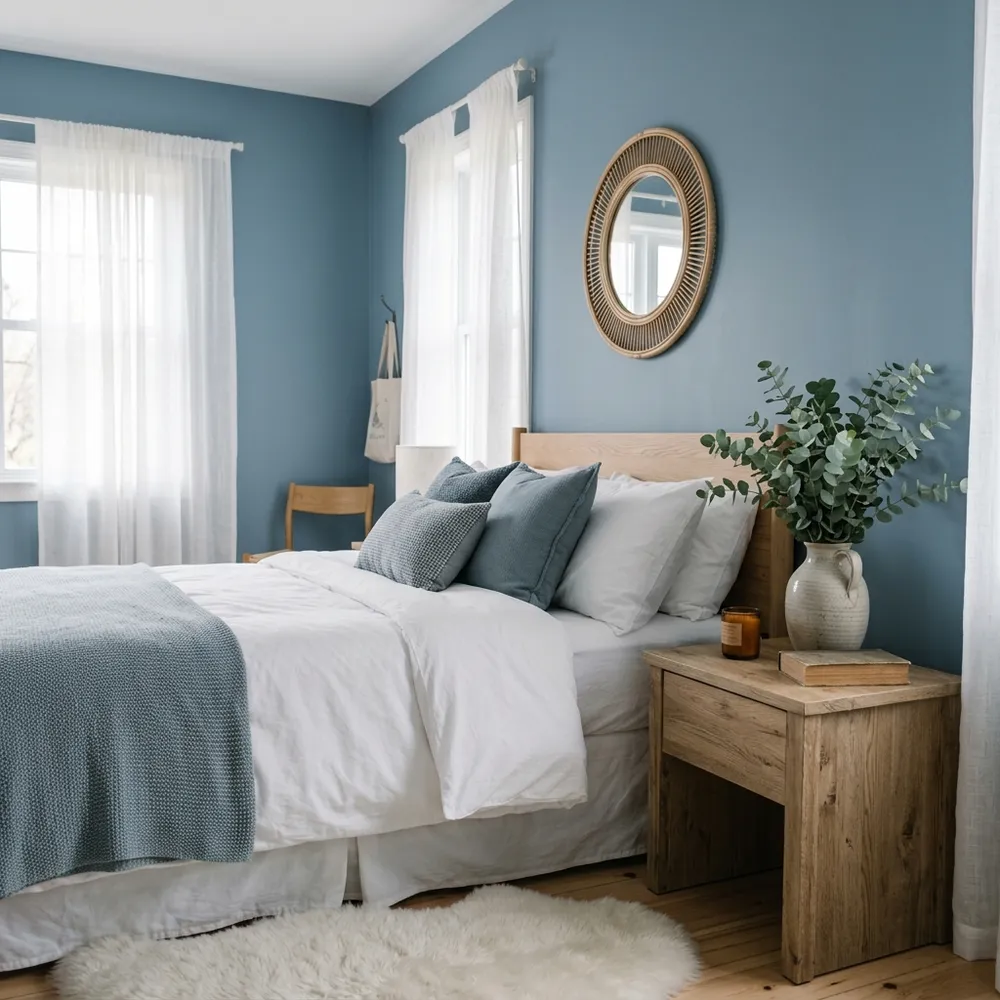
- Cool Tones: Blues and greens can have a calming and expansive effect, particularly when used in lighter shades.
- Reflective Surfaces: High-gloss finishes on cabinets, polished tiles, or even a mirrored backsplash can bounce light around, enhancing the sense of space.
Materials and Textures:
- Glossy Finishes: On cabinetry, backsplashes, and even wall-mounted shelves, glossy surfaces are excellent for light reflection.
- Natural Wood Accents: Introduce warmth and texture with light-toned wooden shelves, cutting boards, or small decorative elements.
- Metallic Touches: Stainless steel appliances, brass hardware, or copper pots hung on a wall rack add a touch of luxury and visual interest.
- Glass Elements: Glass-front cabinet doors or glass shelves can create an open, airy feel while still providing enclosed storage.
Styling and Personalization: The Final Touches
Even with the most ingenious small kitchen wall storage solutions, the space needs personality. How you style your walls and open shelving can elevate your kitchen from merely functional to truly inspiring.
Curated Displays:
- Balance: Mix practical items with decorative ones. For instance, alongside your stack of everyday plates, place a small vase with fresh flowers or a unique ceramic piece.
- Height Variation: Use items of different heights to create visual interest.
- Color Cohesion: Group items with similar color tones or choose items that complement your kitchen’s overall palette.
Greenery:
- Potted Plants: Small potted herbs or succulents on shelves add life and a touch of nature.
- Vines: Trailing plants can soften hard lines and add organic texture.
Personal Touches:
- Cookbooks: Display your favorite cookbooks on a shelf or in a wall-mounted holder.
- Souvenirs: A small, meaningful souvenir from a trip can add a personal story to your kitchen.
- Lighting: Beyond task lighting, consider small decorative sconces or a strip of LED lights under open shelves to create ambiance and highlight your curated items.

Conclusion: Unleash Your Small Kitchen's Potential
Mastering how to use empty wall space in a small kitchen is an art form that blends practicality with refined aesthetics. By embracing innovative storage solutions like open shelving, pegboards, and wall-mounted organizers, you can transform your compact culinary area into a highly efficient and visually stunning space. Remember to consider thoughtful layout options, strategic color palettes, and curated styling to create an environment that feels expansive, organized, and truly reflects your sophisticated taste.
Don't let a small footprint limit your design aspirations. With these premium tips, your small kitchen walls are no longer blank canvases but opportunities waiting to be filled with purpose and panache. Start exploring these ideas today and witness the remarkable transformation of your kitchen!
Frequently Asked Questions (FAQ)
Q: What are the best first steps to take when planning to use empty wall space in a small kitchen? A: The best first step is to declutter and assess. Remove everything from your countertops and existing cabinets. Identify what you frequently use, what can be stored elsewhere, and what truly needs to be within arm's reach in the kitchen. Then, take precise measurements of your available wall space. This assessment will help you determine the types of storage solutions (e.g., open shelving, pegboards, wall-mounted racks) that will be most effective and aesthetically pleasing for your specific needs and the dimensions of your kitchen. Consider your workflow and the "zones" of your kitchen (prep, cooking, storage) to ensure new solutions enhance efficiency.
Q: How can I make open shelving look organized and not cluttered in a small kitchen? A: To keep open shelving from looking cluttered, focus on curation and consistency. Firstly, only display items that are visually appealing and frequently used. Group similar items together, such as stacks of matching plates or uniform spice jars. Use baskets or decorative boxes to contain smaller, less attractive items. Incorporate decorative elements like small plants, a framed picture, or a unique ceramic piece to break up the utility. Maintain a consistent color palette for your displayed items, or choose items that complement your kitchen's overall scheme. Regularly edit your shelves, removing anything that no longer serves a purpose or detracts from the aesthetic.
Q: Are there any specific lighting considerations for walls with new storage in a small kitchen? A: Absolutely, lighting is crucial when you utilize vertical space for storage. For open shelving, consider installing under-shelf LED strip lighting to illuminate the items displayed and provide excellent task lighting for the countertop below. If you're using a pegboard or a feature wall with artwork, small wall-mounted sconces or adjustable spotlights can highlight these elements, adding depth and warmth to the space. Ensure that any new lighting doesn't create harsh shadows or glare. The goal is to enhance visibility, create ambiance, and make the kitchen feel brighter and more inviting, thereby visually expanding the small space.
❓ Frequently Asked Questions
Was this design guide helpful?
Love these ideas?
Save this article to your Pinterest board for later inspiration!